More Than Food
A Way of Understanding the World.
In 2006, Food Studies was still emerging as an academic field. We saw an opportunity before it had a name.
What began with a conversation about creating a food-focused study abroad program in Italy became a nearly two-decade journey into the study of food systems, culture, sustainability, and society.
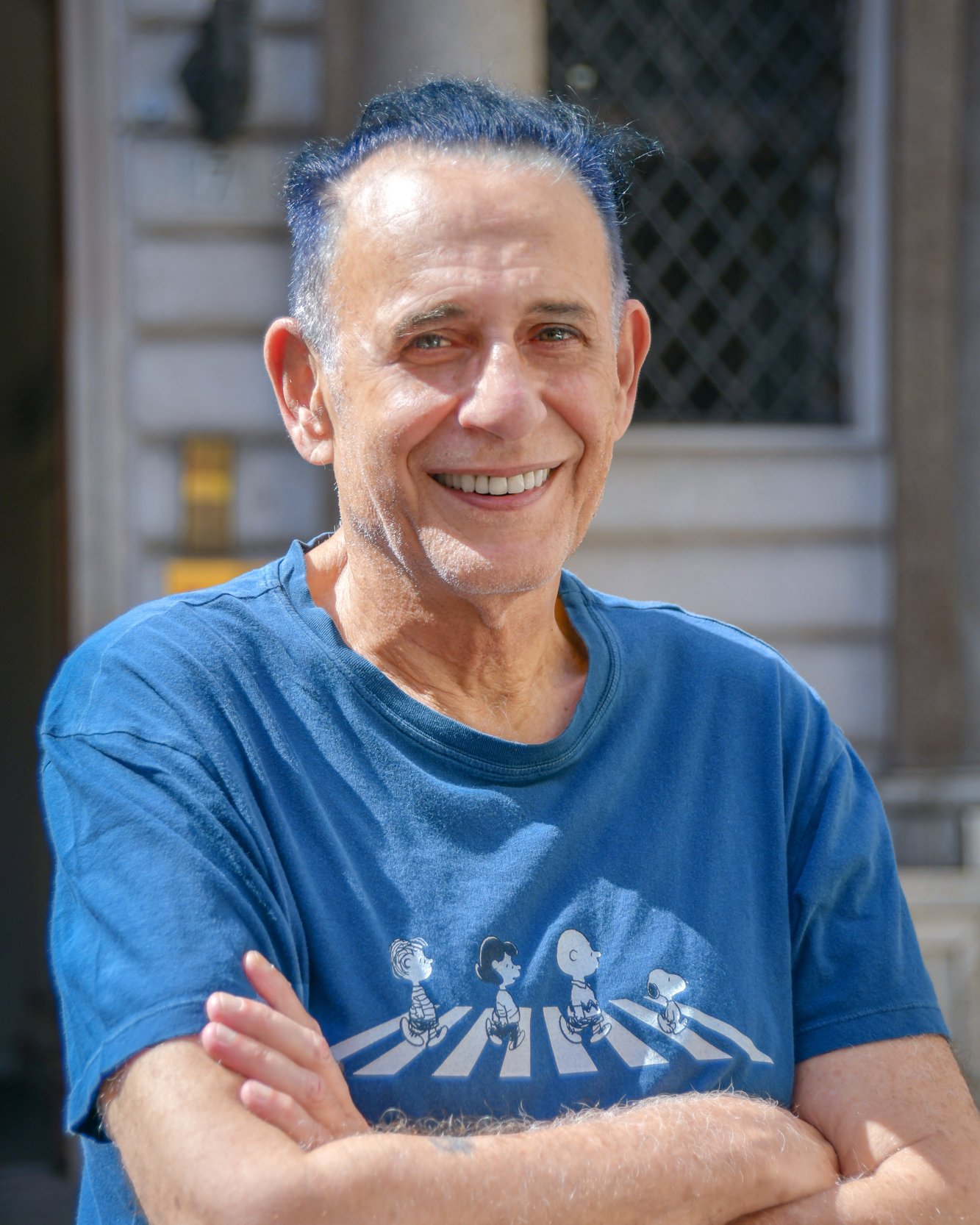
Pier Alberto Merli, Phd
Founder & CEO
A Story Built Around Food, Learning and People
Gustolab International was born from a simple but powerful idea: food can be a gateway to understanding the world.
Founded by Pier Alberto in Italy, Gustolab began by creating academic experiences that brought university students beyond the traditional classroom and into the places where food, culture, communities, and everyday life intersect.
What started as a pioneering food‑focused study abroad initiative has grown into an international academic organization working with universities and students across different disciplines and cultural contexts.
Today, Gustolab brings together academic learning and real‑world experience to help students explore the systems behind what we eat — and the people, places, traditions, economies, and environments connected to them.
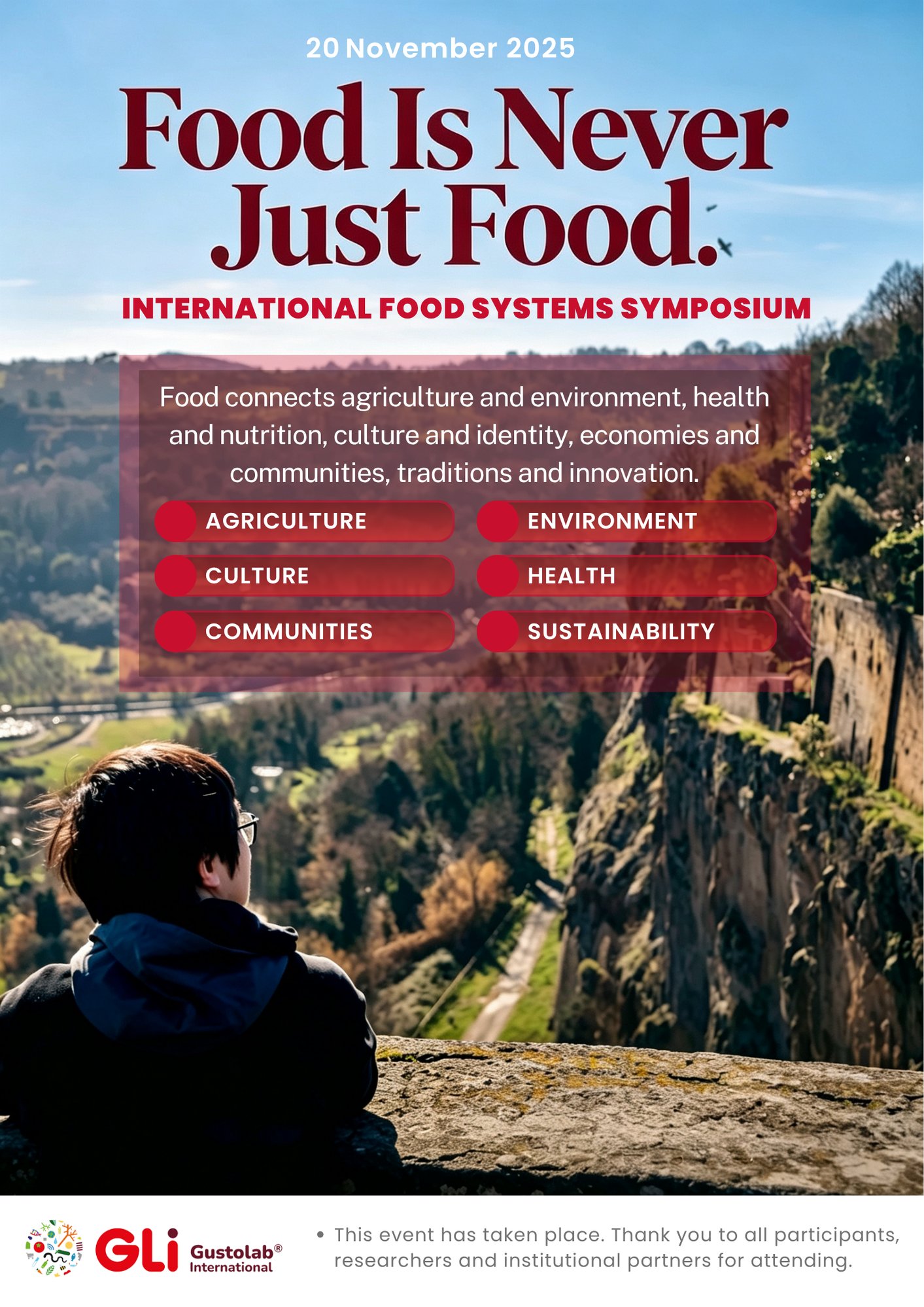
OUR STORY
When Gustolab began, Food Studies was still an emerging academic field. We saw an opportunity to create something different: an educational experience in which food was not simply something to taste, but a way to investigate culture, society, agriculture, environment, and human relationships.
From the beginning, our programs have brought students into direct contact with the people and places that shape food — from markets and farms to kitchens, producers, researchers, communities, and institutions.
Over nearly two decades, this approach has continued to evolve, expanding from Italy to new cultural and academic environments while remaining grounded in the same belief: the world itself can be a classroom.
OUR APPROACH
We Go Where Food Happens.
Students learn by entering the environments where food systems actually exist.
Understanding production, land, water, labor, and local communities.
Exploring how food moves from producers to consumers.
Examining food as an expression of identity, tradition, and social life.
Connecting academic questions with experts, researchers, and organizations.
Understanding how food systems shape — and are shaped by — the places where people live.
We turn places into learning environments and experiences into academic inquiry.
LOCAL PLACES . GLOBAL QUESTIONS
Our programs begin with a place, but they ask questions that reach far beyond it.
-
Food Security
How do communities access and produce the food they need?
-
Sustainability
How can food systems remain resilient while protecting natural resources?
-
Cultural Heritage
What happens when traditional food practices meet a changing world?
-
Climate & Environment
How are food systems affected by environmental change?
-
Health & Nutrition
How are food, wellbeing, and society connected?
-
Community Resilience
How do people and communities adapt, innovate, and preserve their knowledge?
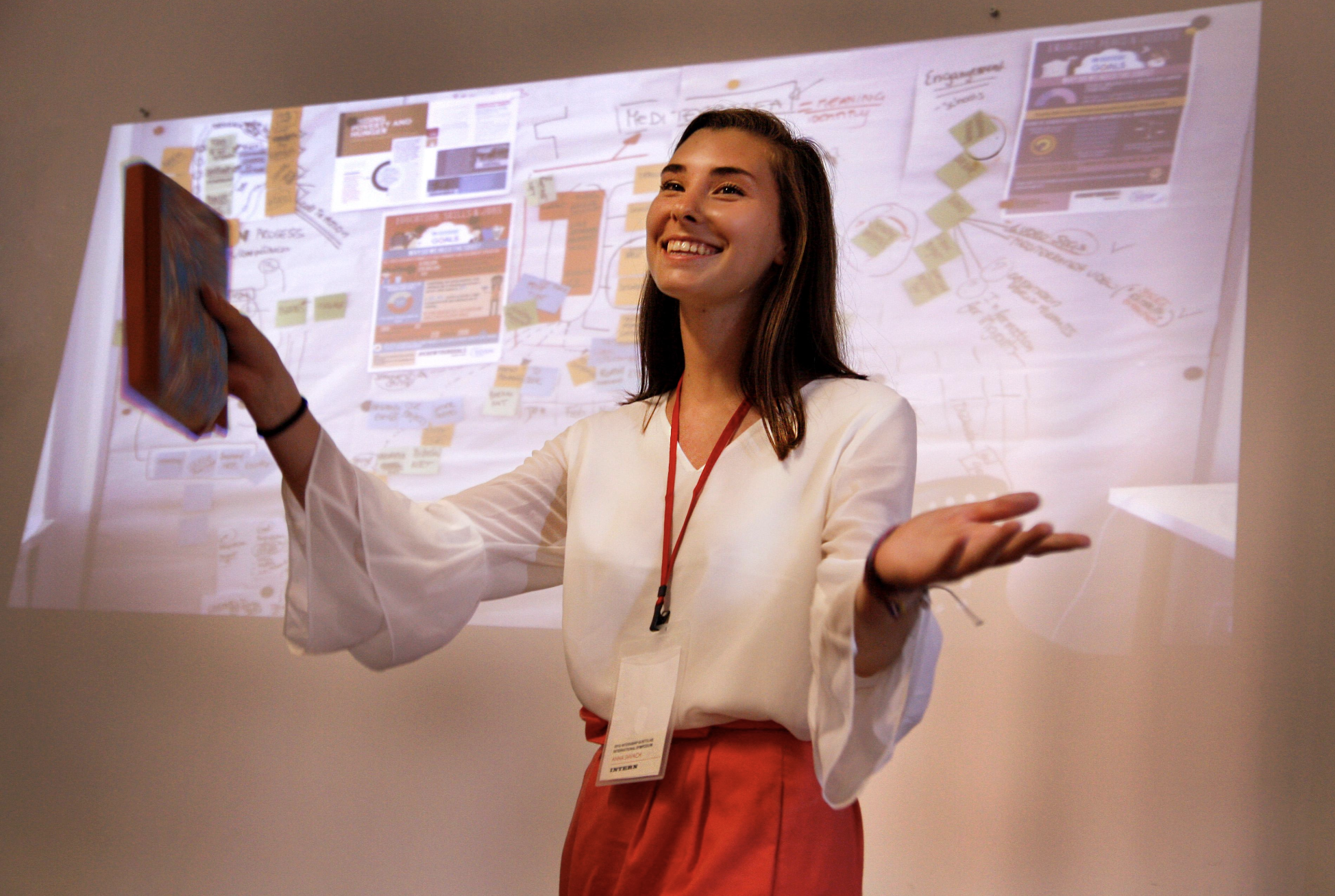
Italy · Japan · Vietnam
Three places. Three food systems. Countless perspectives.
By learning across different cultural and geographic contexts, students develop the ability to compare, question, and connect.
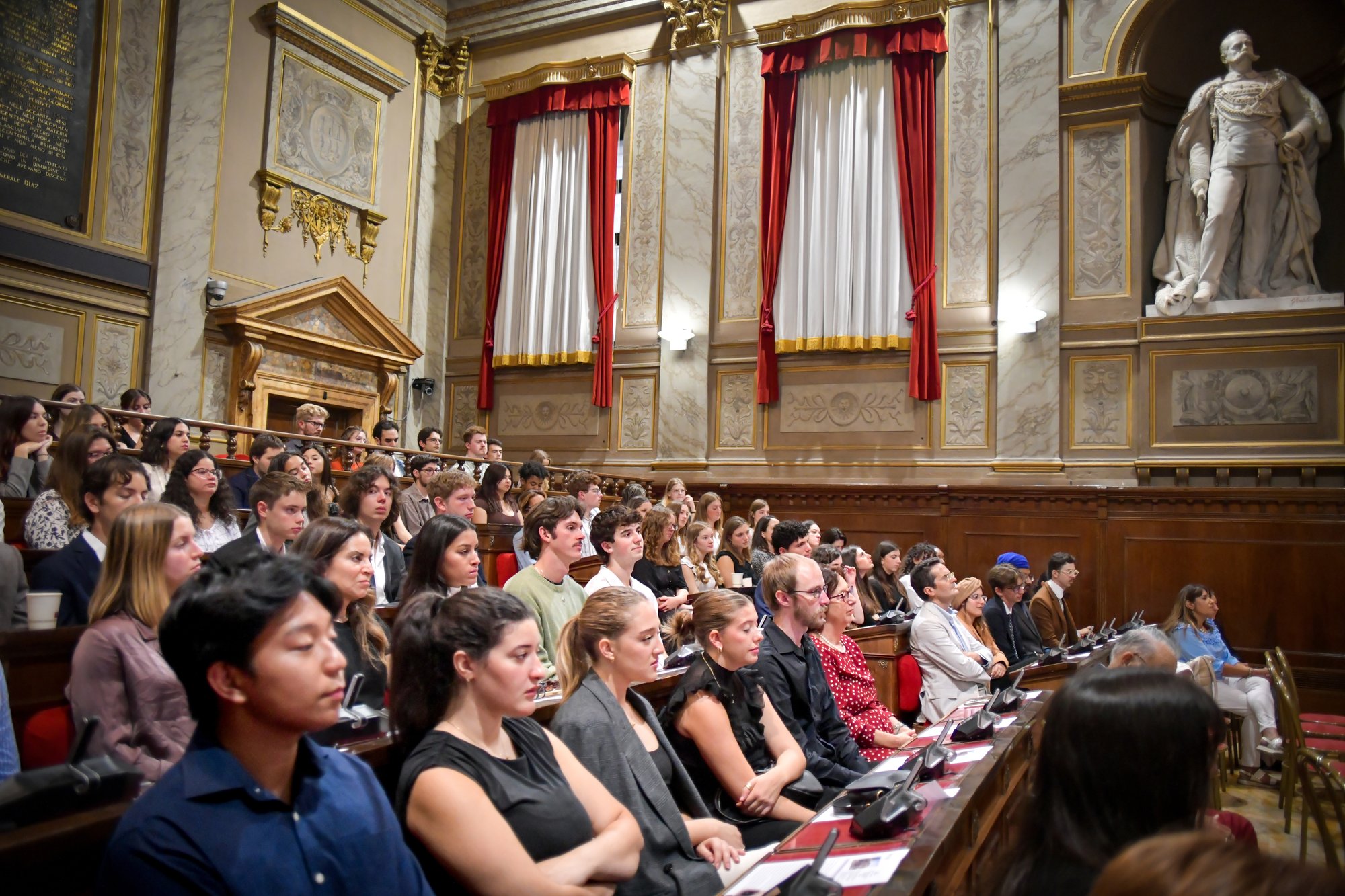
Networking at its finest
Gustolab's work is made possible through long‑term relationships with universities, faculty, students, researchers, food professionals, local communities, and academic partners around the world.
Universities | Faculty | Students | Researchers | Food Professionals | Local Communities
Our academic community has grown through nearly two decades of collaboration with universities and faculty worldwide.
LOCAL PLACES . GLOBAL QUESTIONS
The Next Chapter
The questions that inspired Gustolab nearly two decades ago are more urgent than ever.
Food security. Sustainability. Climate change. Biodiversity. Cultural heritage. Human health. Community resilience.
We believe the next generation needs more than knowledge about these challenges. They need the ability to see connections, engage with different perspectives, and understand how global issues take shape in real places.
We will continue to turn the world into a place for learning, dialogue, and discovery.